
Your duct system quietly moves conditioned air through every room of your home. Aging ducts can waste energy and make certain rooms uncomfortable year-round. Damage can also introduce dust, moisture, and unwanted particles into the airflow. Replacing worn ductwork can improve comfort and help your HVAC equipment run more efficiently. Knowing when ductwork replacement makes sense helps you make a practical, informed investment.
When Aging Ductwork Should Be Replaced
Ductwork gradually deteriorates from years of temperature changes, vibration, moisture, and everyday HVAC operation. Small leaks can grow and allow conditioned air to escape into unused spaces. Damaged sections may also restrict airflow, causing uneven temperatures throughout different areas of the home. Older ducts can develop loose connections, worn insulation, corrosion, or structural damage that repairs cannot fully address. Replacing deteriorated sections can reduce air loss while helping the HVAC system distribute air more effectively. A professional inspection can determine when replacement offers better value than continuing with temporary repairs.
A Practical Guide to Replacing Your Ductwork
A ductwork replacement project starts with knowing what affects the condition of your existing system. Age alone doesn’t always determine when new ducts are necessary. Air leaks, physical damage, poor airflow, and outdated layouts can make replacement a practical choice. Understanding these factors can help you recognize when your duct system needs professional attention.
Know When Your Air Ducts Need Attention
Air distribution problems often develop gradually, making early warning signs easy to overlook. Changes in comfort and energy use can reveal problems before the system fails. Physical deterioration may also show that repairs no longer provide a practical long-term solution. Recognizing these conditions helps you decide when professional assessment should become your next step.
Uneven Temperatures Throughout the Home
Temperature differences between rooms often point to problems within the air distribution system. Damaged sections can lose conditioned air before it reaches the intended living spaces. Restricted branches may also prevent certain rooms from receiving enough heated or cooled air. Adjusting thermostats or closing vents rarely addresses the source of these airflow problems. A technician can measure airflow and locate leaks, restrictions, or poorly sized sections. Those findings can determine which parts of the system require more extensive work.
Higher Energy Bills Without Clear Changes
Rising utility costs can signal that conditioned air escapes before reaching occupied rooms. Leaks force heating and cooling equipment to run longer to maintain comfortable temperatures. Longer operating cycles consume more energy and can increase wear on HVAC components. Aging seals and loose connections commonly contribute to these hidden efficiency losses. Professional testing can identify leakage that remains difficult to spot during a visual inspection. Addressing widespread losses can help the entire system distribute conditioned air more efficiently.
Visible Wear Across the Air Distribution System
Accessible ducts can reveal useful clues about conditions throughout the complete system. Crushed sections, corrosion, loose joints, and damaged insulation deserve closer professional attention. Flexible materials may also sag or tear after years of use. Unresolved moisture issues can damage insulation and nearby building materials. Extensive deterioration often makes repeated patching less practical over the long term. An inspection can establish which sections remain usable and which require removal.
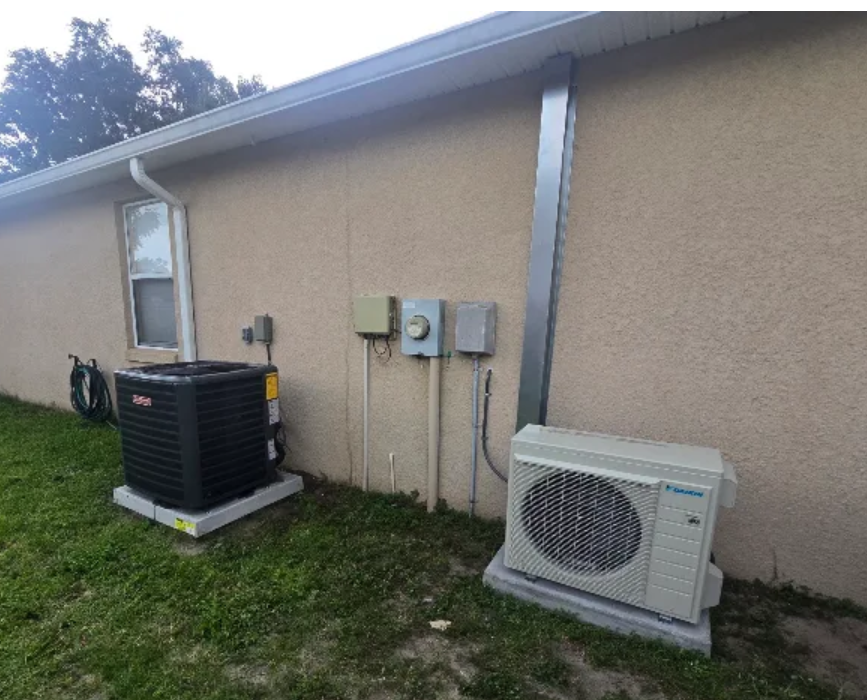
Alt-text: Outdoor condenser unit connected to newly replaced ductwork
Start With a Complete System Assessment
Good project decisions depend on understanding how the existing air distribution network currently performs. Visible damage tells only part of the story behind recurring comfort problems. Airflow, sizing, routing, insulation, and equipment requirements can all influence system performance. A complete evaluation provides the information needed to plan the work correctly.
Inspect Supply and Return Air Paths
Technicians should examine supply lines, return pathways, registers, connections, and accessible branch sections. They look for gaps, crushed materials, sagging runs, and damaged insulation. Attics and crawl spaces often contain problems homeowners cannot easily notice. Return pathways also need attention because inadequate returns can disrupt balanced airflow. The inspection may uncover inefficient routing that restricts air movement between equipment and rooms. Those findings help determine which sections need redesign, removal, or targeted correction.
Measure Airflow and Check for Leakage
Visual inspections cannot identify every opening hidden behind insulation or finished surfaces. Airflow measurements show how effectively conditioned air reaches different parts of the home. Leakage testing can reveal losses occurring across multiple sections and connection points. Pressure measurements may uncover restrictions caused by narrow branches or inefficient routing. These results give contractors measurable information for planning necessary system improvements. Testing also establishes a baseline for evaluating performance after installation.
Confirm Proper Sizing Before Installation
Copying existing duct dimensions can preserve problems caused by the original system design. Each section should accommodate the airflow requirements of the connected heating and cooling equipment. Incorrect sizing can contribute to excessive noise, weak airflow, and uneven room temperatures. HVAC contractors may calculate individual room requirements before determining branch and return dimensions. Newer HVAC equipment may also require different airflow than the system it replaced. Proper calculations help create a distribution network suited to current household needs.
Plan the New Air Distribution Layout
Planning determines how effectively conditioned air will travel after the installation is complete. Contractors must consider equipment requirements, building layout, available space, and existing airflow problems. The project also creates an opportunity to correct inefficient routes instead of copying them. Several design decisions can influence comfort, operating efficiency, durability, and future maintenance.
Choose Materials for Each Installation Area
Different areas of a home may require different materials for reliable air distribution. Sheet metal offers durability and maintains its shape during normal HVAC operation. Flexible duct can work well in confined areas when installers support it correctly. Fiberglass duct board may suit certain applications where insulation and space requirements differ. Material selection should account for moisture exposure, accessibility, airflow demands, and applicable codes. A qualified contractor can recommend options that match each installation area’s conditions.
Improve Supply and Return Airflow Paths
Balanced airflow depends on delivering conditioned air and returning indoor air efficiently. Poor return placement can create pressure differences that affect comfort between rooms. Excessively long routes and unnecessary turns can also increase resistance throughout the system. Installation work provides an opportunity to correct inefficient paths that previously limited performance. Contractors may resize returns or adjust branches according to measured airflow requirements. Better routing can help the HVAC system distribute air without unnecessary operating strain.
Alt-text: Flexible ductwork connected to an HVAC unit
Add Suitable Insulation Where Needed
Ducts running through unconditioned spaces can lose heat or cool before the air reaches rooms. Suitable insulation reduces temperature changes along those exposed sections. It can also limit condensation when cold surfaces meet warm and humid surrounding air. Required insulation levels depend partly on location and applicable building requirements. Gaps or damaged insulation can reduce performance even when the duct itself remains intact. Contractors should select insulation based on the conditions around each section.
Understand What Installation Work Involves
Knowing the installation process can make project planning easier for homeowners. The amount of disruption depends on accessibility, system size, and the existing layout. Attics, basements, and crawl spaces may allow technicians to complete much of the work remotely. Understanding each stage also helps you discuss access, scheduling, and testing with your contractor.
Remove Worn and Damaged Sections
Contractors generally begin removal after confirming the planned layout and protecting nearby areas. They disconnect old sections from equipment, registers, plenums, and adjoining branches. Removal may expose hidden damage that was impossible to identify during initial inspections. Some sections behind finished surfaces can require additional access for safe removal. Contractors should discuss expected wall or ceiling access before beginning disruptive work. Careful preparation can reduce unnecessary disturbance while keeping the project organized.
Install and Seal New Air Pathways
New sections require secure connections to keep conditioned air inside the distribution network. Installers position each run while limiting sharp bends and unnecessary airflow restrictions. Flexible sections need proper support because excessive sagging can reduce their performance. Joints and transitions also require sealing products intended for HVAC applications. Careful sealing reduces leakage around boots, branches, equipment connections, and other vulnerable areas. Strong installation practices help new materials deliver their expected service life.
Test Performance After Installation
The project should not finish immediately after workers connect the final section. Technicians can measure airflow to verify that rooms receive appropriate air volumes. Leakage testing may uncover connections that require additional sealing before project completion. Pressure measurements can also confirm that the completed layout operates within suitable conditions. Registers should deliver steady airflow without excessive noise or uncomfortable drafts. Final testing provides measurable evidence that the new distribution network performs as planned.
Make Informed Cost and Project Decisions
Project costs can vary considerably because every home has different installation requirements. Accessibility, materials, insulation, labor, and design changes can influence the final price. A lower estimate may exclude work needed to properly address existing airflow problems. Comparing detailed proposals can help you understand the value behind each contractor’s recommendation.
Understand What Influences Project Costs
The amount of material and labor required directly affects the overall project expense. Larger homes typically have more branches, registers, returns, and connection points. Difficult access can increase labor when technicians must work inside cramped spaces. Material choices and insulation requirements can also create noticeable differences between estimates. Correcting inefficient layouts may add costs while addressing problems the original system created. An itemized estimate makes these expenses easier to understand and compare.
Decide Between Repairs and Broader Work
Not every damaged air distribution system requires a complete overhaul. A few accessible leaks may only require professional sealing or limited section repairs. Localized damage can also justify removing individual runs while leaving sound sections intact. Widespread deterioration makes repeated repairs less practical as additional failures continue appearing. Poor sizing or inefficient layouts may justify more extensive work than isolated repairs. A thorough assessment should determine the appropriate scope, not system age alone.
Protect Your Updated Air Distribution System
Good maintenance helps newly installed air pathways continue delivering consistent airflow over time. Filters, HVAC equipment, moisture, and nearby activity can all affect system condition. Routine attention may reveal small problems before they spread into connected sections. Simple maintenance practices can also protect the HVAC equipment serving the entire network.
Maintain Filters and HVAC Equipment
Dirty filters restrict airflow and make heating or cooling equipment operate harder than necessary. Replace or clean filters according to equipment needs and manufacturer recommendations. Regular HVAC maintenance can also identify developing airflow problems before comfort noticeably declines. Technicians can inspect accessible connections during service visits that include system evaluation. Keep supply and return registers free from furniture, rugs, boxes, and other obstructions. Consistent maintenance helps preserve the operating conditions considered during the new system design.
Check for Moisture and Accidental Damage
Roof leaks, plumbing problems, and condensation can expose insulation to unwanted moisture. Damp insulation may lose effectiveness and contribute to problems in surrounding building materials. Work inside attics or crawl spaces can also accidentally crush flexible sections. Contractors completing unrelated projects may disturb supports or connections near existing HVAC components. Check accessible areas after renovations or repairs that occur around air distribution lines. Unexpected airflow changes can also indicate hidden damage that deserves professional inspection.
Address Ductwork Problems Before They Worsen
Damaged ducts can quietly increase energy waste while making indoor comfort harder to maintain. Waiting may allow small leaks, loose connections, or airflow restrictions to become costlier problems. A professional inspection can identify the right solution before declining performance affects the entire HVAC system. Schedule an evaluation when warning signs appear and address failing ductwork before unnecessary expenses grow.
Know what your HVAC system needs before problems become expensive. Visit the American Air Repair blog for clear advice to help you plan with confidence.