
Your heating and cooling system works quietly in the background until something suddenly goes wrong. Many homeowners only think about maintenance after the air conditioner stops cooling or the furnace struggles to heat the house. Unfortunately, waiting for visible problems often leads to higher repair costs and unexpected inconvenience. Routine HVAC servicing helps prevent those situations while keeping your system operating more efficiently throughout the year. Knowing how often to schedule professional maintenance can protect both your comfort and your investment for years to come.
Why Regular HVAC Care Pays Off
Your HVAC system runs through changing temperatures, daily use, and seasonal demands without much attention. Every heating and cooling cycle creates gradual wear that builds over time. Regular maintenance addresses those small issues early and helps your equipment continue performing as expected.
Routine Maintenance Prevents Bigger Repairs
Most HVAC failures begin as small problems that develop quietly over several months. A loose electrical connection, worn belt, or clogged drain may not affect performance immediately, but those issues rarely improve without professional attention. As your system continues running, additional strain spreads to other components and increases the chance of a larger repair. Routine maintenance allows technicians to correct these concerns before they become costly service calls. That proactive approach reduces unexpected breakdowns and keeps your heating and cooling system operating more reliably. Investing in maintenance often costs far less than paying for emergency repairs during extreme weather.
Small Problems Rarely Fix Themselves
Heating and cooling equipment contains many moving and electrical components that depend on each other. When one part begins wearing out, nearby components often work harder to compensate. A dirty blower wheel can reduce airflow, while a failing capacitor may force the compressor to struggle during every startup. Those conditions continue getting worse until someone identifies and repairs the source. Professional inspections catch developing issues before they spread through the rest of the system. Fixing a minor concern early usually saves both time and money later.
Efficient Systems Cost Less to Operate
A clean, properly adjusted HVAC system does not need to work as hard to maintain comfortable indoor temperatures. Dirty coils, clogged filters, and restricted airflow force equipment to run longer during every heating or cooling cycle. Longer run times increase energy use while placing unnecessary stress on important components. Professional maintenance restores proper airflow and verifies that every major part operates as intended. Many homeowners notice more consistent comfort and lower utility bills after routine service. Those savings can continue throughout the year when maintenance becomes part of a regular schedule.
How Often Should HVAC Systems Be Serviced?
Most residential systems perform best with professional maintenance twice each year. One visit prepares the cooling system before warmer months, while another prepares the heating system before colder weather arrives. Following this schedule helps reduce breakdowns while giving technicians enough opportunities to identify developing concerns.
Schedule Service Before Peak Seasons
Spring and fall remain the ideal times for professional HVAC maintenance because they come before periods of heavy equipment use. Servicing your air conditioner in spring helps prepare it for continuous summer operation. A fall inspection gives your heating system time to receive any necessary repairs before colder temperatures arrive. Scheduling maintenance before peak demand also makes it easier to book convenient appointments. Technicians can complete inspections without the pressure of emergency repair requests during busy seasons. Preparing your system early helps avoid unexpected interruptions when comfort matters most.
Manufacturer Guidelines Matter
Every HVAC manufacturer provides maintenance recommendations based on equipment design and expected performance. Following those recommendations helps protect your investment throughout the system’s lifespan. Many warranties also require routine professional maintenance to remain valid. Skipping scheduled service could create complications if a major component fails while the warranty is still active. Your owner’s manual provides helpful maintenance guidance, but an experienced HVAC technician can recommend a schedule that reflects your home’s actual operating conditions. Combining manufacturer advice with professional recommendations creates a practical long-term maintenance plan.
Build a Maintenance Schedule That Fits Your Home
Not every household uses heating and cooling equipment the same way throughout the year. Families who spend more time at home often operate their systems much longer each day. Homes with pets, allergy concerns, or multiple occupants may also collect dust and airborne particles more quickly. Scheduling maintenance around your home’s specific needs produces better results than simply waiting for problems to appear. Many homeowners choose annual maintenance plans because appointments are scheduled automatically and important inspections are less likely to be overlooked. A consistent schedule helps your system deliver dependable comfort season after season.
Factors That Affect Service Frequency
Twice-yearly maintenance works well for most homes, but some systems need additional attention. Equipment usage, indoor conditions, and system age all influence how often professional service makes sense. Understanding these factors helps homeowners create a maintenance schedule that reflects their home’s actual needs.
Older Systems Need Closer Attention
Heating and cooling equipment naturally changes as it ages. Motors, electrical parts, and mechanical components experience years of repeated operation that gradually affect performance. Older systems may continue working well, but they often benefit from more frequent inspections to catch wear before it leads to larger repairs. Professional technicians can monitor aging parts and recommend practical repairs at the right time. That approach helps homeowners avoid unexpected breakdowns while getting the most value from existing equipment. Regular maintenance also provides a clearer picture of when replacement becomes the more practical choice.
Daily Usage Makes a Difference
Some HVAC systems operate only a few hours each day, while others rarely stop running. Families who work from home, have young children, or care for older adults often rely on steady indoor temperatures throughout the day. Longer operating hours increase normal wear on compressors, blower motors, and other important components. Homes in dusty environments or properties with several pets may also require more frequent maintenance because filters and coils become dirty faster. A professional technician can recommend a service schedule based on how your system is actually used instead of relying on general recommendations alone. That personalized approach often produces better long-term results.
Indoor Air Quality Also Matters
Your HVAC system continuously circulates the air inside your home, so its condition directly affects indoor air quality. Dust, pollen, pet dander, and other airborne particles gradually collect inside the system during normal operation. Dirty filters and coils can reduce airflow while allowing those contaminants to circulate more frequently. Routine maintenance includes cleaning and inspecting components that influence both comfort and air quality. Homeowners with allergies or respiratory concerns often notice cleaner indoor air after professional service. A well-maintained system supports a healthier home while operating more efficiently.
Signs Your HVAC Needs Attention Early
Even with a regular maintenance schedule, some problems develop between service visits. Paying attention to small changes often prevents larger repairs later. Knowing when to call a professional helps protect both your comfort and your equipment.
Uneven Temperatures Deserve Investigation
A comfortable home should maintain consistent temperatures from one room to another. Hot or cold spots often indicate airflow restrictions, duct leaks, or equipment performance issues. Dirty coils, blocked vents, or failing blower components may also contribute to uneven comfort. These problems usually become more noticeable as the system continues working harder to meet thermostat settings. Professional inspections identify the underlying cause instead of treating only the symptoms. Correcting airflow issues early improves both comfort and efficiency.
Higher Energy Bills Can Signal Trouble
A sudden increase in energy costs does not always result from changing weather. Heating and cooling systems often consume more electricity when they struggle to operate efficiently. Dirty components, restricted airflow, or worn mechanical parts can all increase energy use. Many homeowners notice rising utility bills before they recognize other performance issues. A professional inspection can determine whether maintenance or repairs will restore efficiency. Addressing those concerns early often lowers operating costs while protecting the equipment.
Strange Sounds and Odors Shouldn’t Be Ignored
Your HVAC system should operate with steady, familiar sounds during normal use. Grinding, rattling, buzzing, or squealing usually indicates that something requires attention. Burning smells may point to electrical concerns, while musty odors often suggest moisture buildup or microbial growth. These warning signs rarely disappear on their own and often become more serious over time. Prompt professional service helps identify the source before additional damage occurs. Responding quickly also supports safer system operation.
What Happens During HVAC Servicing?
Many homeowners know maintenance is beneficial but have little understanding of what technicians actually inspect. A professional service visit includes much more than changing an air filter or cleaning visible dust. Every inspection focuses on improving system performance, identifying developing problems, and helping your equipment operate more reliably throughout the year.
Technicians Inspect Critical Components
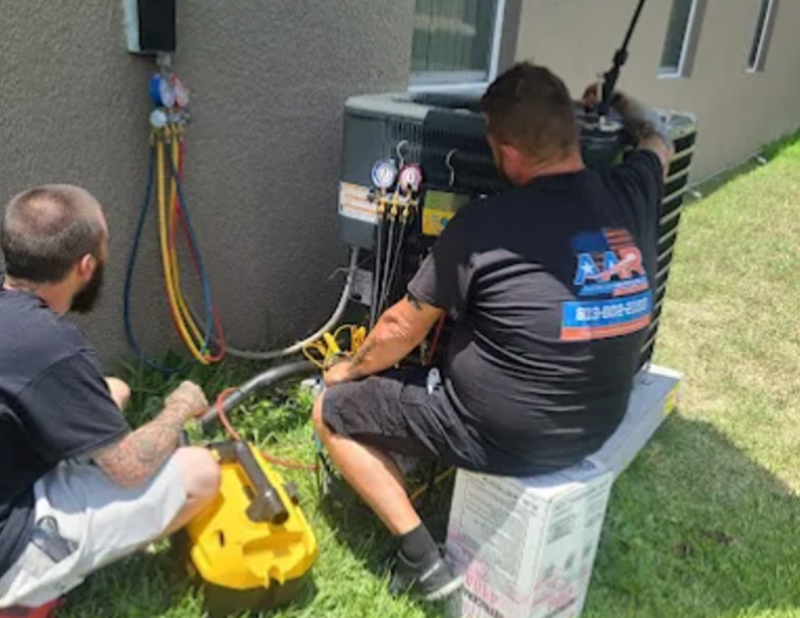
Professional maintenance begins with a detailed inspection of the system’s most important parts. Technicians check electrical connections, motors, capacitors, safety controls, thermostats, and moving components for proper operation. They also inspect refrigerant levels when applicable and evaluate the condition of coils, drain lines, and blower assemblies. Small adjustments made during the visit help reduce unnecessary strain on the equipment. Identifying worn parts before failure allows homeowners to schedule repairs before they become emergencies. This thorough inspection provides valuable insight into the overall health of the system.
Cleaning Improves Performance
Even well-maintained homes cannot prevent dust from collecting inside HVAC equipment. Dirt gradually covers coils, blower components, and drain lines, making the system work harder than necessary. Professional cleaning restores proper airflow and improves heat transfer throughout the system. Better airflow allows heating and cooling equipment to reach the desired temperature more efficiently. That improved performance reduces unnecessary operating time and helps lower monthly energy costs. Cleaner equipment also experiences less wear during daily operation.
Service Records Protect Your Investment
Routine maintenance creates a documented history of your HVAC system’s condition. Those records may support warranty claims if covered components fail during the warranty period. They also help technicians compare previous inspections and recognize gradual performance changes over time. Maintenance documentation becomes especially valuable as equipment ages and repair decisions become more frequent. Homeowners also benefit when selling a property because service records demonstrate that the system received regular professional care. Keeping those records adds long-term value beyond each maintenance visit.
Schedule HVAC Servicing Before Repairs Become Costly
Routine HVAC servicing does more than prepare your system for changing seasons. It helps reduce unexpected repairs, control operating costs, improve indoor air quality, and extend the life of your heating and cooling equipment. Waiting until performance declines often means paying more to correct problems that could have been addressed much earlier. Investing in regular professional maintenance gives your system the care it needs to deliver dependable comfort while protecting your home and your budget for years to come.
The best way to avoid unexpected HVAC problems is to stay informed before they happen. Find expert recommendations and homeowner-friendly resources on the American Air Repair blog.