
Your HVAC system does much more than heat or cool the air inside your home. It depends on a network of ducts to deliver conditioned air where you need it most. When those ducts develop leaks, loose connections, or other damage, comfort often declines long before the problem becomes obvious. Many homeowners assume the heating or cooling equipment is failing when the real issue is hidden behind walls, ceilings, or crawl spaces. Recognizing the early signs of ductwork repair needs can help you improve comfort, lower energy costs, and avoid larger HVAC problems.
How Ductwork Supports Your HVAC System
Many homeowners expect visible damage before they consider duct repairs, but that is rarely how problems begin. Small gaps around joints or loose connections allow conditioned air to escape before reaching its destination. As those leaks grow, the HVAC system must run longer to maintain the same indoor temperature. That extra workload increases energy use and places additional strain on major system components. Delaying repairs may also shorten the lifespan of the blower motor, compressor, or furnace because they operate longer than necessary. Addressing minor duct issues early often prevents larger and more expensive repairs later.
Recognizing Warning Signs for Ductwork Repair
Many duct problems develop gradually, making them easy to dismiss as ordinary HVAC issues. Small changes in comfort, airflow, or energy use often appear long before visible damage. Learning to recognize these warning signs helps homeowners address minor duct issues before they affect the entire heating and cooling system.
Uneven Temperatures Throughout Your Home
Temperature differences between rooms usually develop for a reason, not randomly. Damaged or restricted ductwork often prevents conditioned air from reaching every part of the home evenly. Recognizing these changes early helps narrow down the source before comfort continues to decline.
Some Rooms Never Reach the Right Temperature
One bedroom may always feel warmer during summer or colder throughout winter than nearby rooms. While sunlight and insulation can affect indoor temperatures, persistent differences often point to airflow problems. Air escaping through damaged ducts reduces the amount of conditioned air reaching certain spaces. Disconnected sections or crushed flexible ducts can also interrupt proper air distribution. The thermostat continues calling for heating or cooling because distant rooms never reach the desired temperature. A professional inspection can determine whether damaged ductwork causes the imbalance or if another HVAC issue contributes to the problem.
Weak Airflow From Multiple Vents
Air should flow steadily from every supply vent while the HVAC system operates. If several vents produce noticeably weaker airflow, the duct system deserves closer attention. Restricted airflow may result from collapsed flexible ducts, disconnected joints, or debris inside the ductwork. Professionals may also measure static pressure to identify airflow restrictions that are difficult to detect during a visual inspection. Restoring proper airflow helps every room receive conditioned air more consistently while reducing unnecessary strain on the HVAC system. Better airflow also improves overall comfort without requiring constant thermostat adjustments.
Certain Areas Feel Stuffy
Some rooms may feel stale even though the HVAC system continues running normally. Limited airflow prevents fresh conditioned air from circulating as intended. Occupants often notice these areas feel uncomfortable long before temperature differences become obvious. Restricted airflow may also allow humidity to linger in those spaces. Inspecting the duct system helps identify hidden restrictions that reduce circulation. Restoring proper airflow improves comfort throughout the entire home.
Utility Costs Keep Increasing
Monthly utility bills often reveal HVAC problems before visible damage appears. Rising energy costs without significant weather changes deserve closer investigation. Hidden duct leaks frequently waste conditioned air while forcing your heating and cooling system to operate much longer.
Longer HVAC Cycles Waste More Energy
Heating and cooling equipment normally cycles on and off throughout the day as indoor temperatures change. When conditioned air escapes through damaged ducts, the thermostat takes longer to reach the desired setting. The HVAC system responds by running longer than necessary to replace that lost air. Those extended operating times increase monthly utility costs while creating additional wear on mechanical components. Homeowners sometimes replace thermostats or HVAC equipment before discovering the real problem lies inside the duct system. Repairing leaking ducts often improves efficiency without requiring major equipment replacement.
Short Cycling Can Indicate Airflow Problems
Not every airflow problem causes the HVAC system to run continuously. Some systems begin turning on and off more frequently because airflow becomes unbalanced throughout the home. Short cycling has several possible causes, including equipment issues, but damaged ductwork should never be overlooked. Airflow restrictions can affect how quickly the thermostat senses indoor temperatures, causing inconsistent operation. A professional inspection helps determine whether duct repairs, equipment service, or another solution is appropriate. Identifying the correct cause prevents unnecessary repairs while restoring more consistent system performance.
Indoor Air No Longer Feels Clean
The air circulating through your home passes through the entire duct system before reaching each room. Damage inside that network can affect both comfort and indoor air quality without obvious warning. Paying attention to these changes helps you identify problems before they become more difficult to correct.
Dust Returns Soon After Cleaning
Every home collects dust, but excessive buildup may point to damaged ductwork. Leaks in return ducts can pull dust, insulation fibers, and other particles from attics, crawl spaces, or wall cavities. Those contaminants then circulate through the HVAC system and settle throughout your home. Replacing the air filter may reduce some particles, but it cannot stop debris entering through damaged ducts. Repairing those leaks limits unwanted contaminants while helping your filtration system work more effectively. Cleaner airflow also means less time spent dusting furniture and other household surfaces.
Allergy Symptoms Become More Noticeable
Many indoor allergens travel through the same air your HVAC system circulates every day. Damaged ducts may draw pollen, dust, insulation particles, and other irritants into the airflow before distributing them throughout the home. Family members with allergies or respiratory sensitivities may notice greater discomfort while the system runs. Although indoor air quality depends on several factors, damaged ductwork should remain part of the investigation. A professional inspection helps determine if leaking ducts contribute to airborne contaminants. Repairing those sections supports healthier indoor air and more comfortable living spaces.
Strange Noises Start Appearing
Your duct system should operate quietly during normal heating and cooling cycles. New sounds often signal loose connections, damaged sections, or escaping air. Finding the source early can prevent a minor issue from becoming a larger repair.
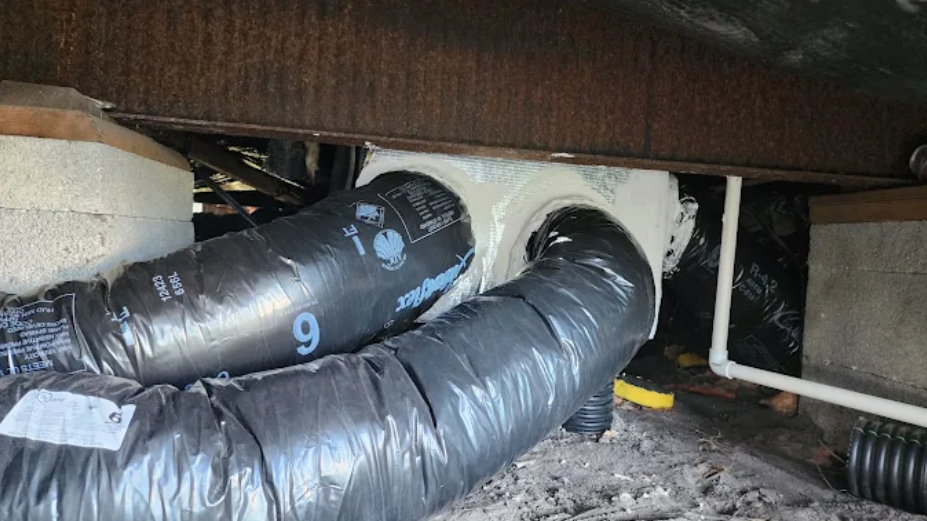
Alt-text: Close-up of an insulated HVAC ductwork hose showing secure connections for efficient airflow
Banging or Rattling Inside the Ducts
Metal ducts naturally expand and contract as temperatures change, but loud noises are not considered normal. Loose sections may shift each time the blower starts or stops. Detached supports can also allow ductwork to vibrate during operation. Those repeated movements place additional stress on joints and connections over time. Besides creating unwanted noise, loose ducts may eventually develop larger air leaks that reduce system efficiency. Securing and repairing damaged sections often restores quieter operation while improving airflow.
Whistling Sounds Near Air Vents
A whistling sound usually means air is escaping through a small opening or moving through a restriction. Loose duct joints, damaged seals, or partially blocked airflow can all produce this type of noise. Although the sound may seem harmless, it often points to wasted conditioned air. Small leaks can gradually become larger if left unaddressed. Professional repairs close those openings and restore smoother airflow throughout the system. Quieter operation often follows once the underlying problem has been corrected.
Older Homes Show More Airflow Issues
Duct systems experience years of heating, cooling, vibration, and seasonal expansion. Older materials naturally wear down even when the HVAC equipment remains in good condition. Homes that have been remodeled may also develop hidden airflow problems without homeowners realizing it.
Aging Duct Materials Begin to Fail
Older ductwork may develop loose joints, worn seals, rust, or deteriorating insulation after years of use. Those changes often happen gradually, making them difficult to notice during everyday living. Air begins escaping through small openings that slowly reduce system efficiency. Even well-maintained HVAC equipment cannot overcome significant duct leakage. Periodic inspections help identify aging materials before they lead to larger comfort and energy problems. Repairing damaged sections often extends the useful life of the existing duct system.
Renovations Can Disturb Hidden Ducts
Home improvement projects sometimes affect ductwork without anyone noticing. Contractors working in attics, crawl spaces, or walls may accidentally shift, crush, or disconnect duct sections. Heavy storage placed on flexible ducts can also restrict airflow. These problems may not become obvious until certain rooms feel uncomfortable or energy bills begin rising. Inspecting the duct system after major renovations helps confirm everything still operates correctly. Correcting hidden damage early prevents unnecessary strain on your HVAC system.
Moisture or Pests Become More Noticeable
Not every duct problem begins with normal wear and tear. Moisture and unwanted pests can create damage that affects airflow, efficiency, and indoor air quality. Addressing these issues promptly protects both your duct system and the rest of your home.
Rodents Damage Hidden Air Passages
Rodents sometimes enter attics, crawl spaces, and other areas where ductwork is installed. They may chew flexible ducts, tear insulation, or leave nesting materials inside damaged sections. Those openings allow conditioned air to escape while introducing contaminants into the airflow. The damage often remains hidden until comfort problems or unusual odors develop. A professional inspection can locate affected areas and recommend the appropriate repairs. Fixing the ducts while addressing the pest issue helps prevent the problem from returning.
Condensation or Musty Odors Develop
Condensation around ductwork should never be ignored because it often points to insulation or airflow problems. Warm, humid air meeting cooler duct surfaces creates moisture that may spread to surrounding materials. Damp conditions can also contribute to unpleasant odors and microbial growth inside the system. Running the HVAC equipment then circulates those odors throughout the home. Repairing leaking ducts and restoring proper insulation helps reduce condensation while protecting nearby building materials. Solving the moisture source also improves indoor comfort over time.
HVAC Problems Keep Returning
Many homeowners assume their heating or cooling equipment has reached the end of its lifespan when comfort problems appear. In reality, damaged ductwork often creates similar symptoms while the HVAC unit continues operating normally. Identifying the true cause before replacing expensive equipment can save both time and money.
Repairs Never Fully Solve the Problem
Repeated HVAC service calls without lasting improvement often point somewhere beyond the equipment itself. Damaged ducts can continue reducing airflow even after mechanical repairs are completed. That hidden issue allows comfort problems to return soon after each service visit. Inspecting the duct system helps eliminate overlooked causes before investing in additional repairs. Finding the true source often saves homeowners from unnecessary expenses. A complete HVAC evaluation should always include the duct network.
Professional Testing Finds Hidden Issues
Some duct problems remain impossible to identify through a simple visual inspection. HVAC professionals evaluate connections, insulation, airflow, and overall duct condition throughout the home. They may also measure static pressure to detect restrictions that affect system performance. Smoke testing or specialized leak detection methods can reveal air loss hidden behind finished walls or ceilings. After identifying the damaged areas, technicians may seal joints, reconnect separated sections, replace worn materials, or improve insulation where needed. This thorough approach restores proper airflow while helping the HVAC system operate more efficiently.
Schedule Ductwork Repair Before Costs Grow
Ignoring damaged ductwork rarely saves money because small problems continue affecting comfort and efficiency every day. Prompt repairs help conditioned air reach every room while reducing unnecessary wear on expensive HVAC equipment. If your home shows several of these warning signs, scheduling a professional ductwork repair inspection now can improve indoor comfort, lower energy costs, and help your heating and cooling system perform as intended.
Small airflow issues can become expensive repairs if left unnoticed. Visit the American Air Repair blog for practical HVAC insights, maintenance tips, and expert advice that help you keep your home comfortable year-round.