
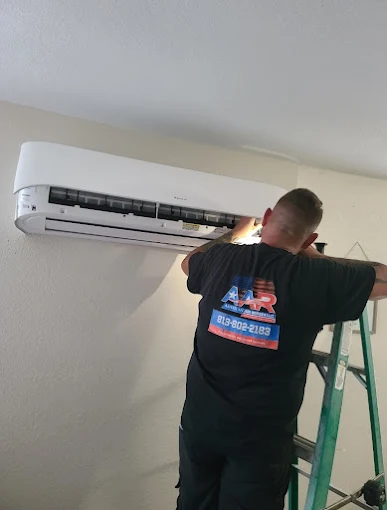
Mini split systems offer dependable comfort because they cool individual spaces without relying on traditional ductwork. Most homeowners expect quiet operation and steady temperatures until something suddenly changes. Strange noises, weak airflow, or inconsistent cooling often signal developing problems that deserve prompt attention. Knowing what happens during a professional repair visit helps remove uncertainty before scheduling service. Understanding each repair step also explains why experienced technicians often resolve problems faster and help prevent future breakdowns.
Understanding How Mini Split Systems Work
Mini split air conditioners combine several components that must work together for reliable cooling. A problem in one part often affects the entire system, even when symptoms appear minor. Learning how the equipment operates provides useful context before discussing the repair process. That basic knowledge also makes it easier to recognize why technicians inspect several areas instead of replacing a single part immediately.
Indoor and Outdoor Units Work Together
A mini split system consists of an indoor air handler connected to an outdoor condenser through refrigerant lines and electrical wiring. The indoor unit absorbs heat from the room while the outdoor unit releases that heat outside. Refrigerant continuously moves between both sections to complete the cooling cycle. The inverter-driven compressor adjusts its speed based on changing cooling demands instead of constantly turning on and off. That operating method improves efficiency while maintaining more consistent indoor temperatures. When communication between both units fails, cooling performance often declines even if one section still appears functional.
Small Problems Can Affect the Entire System
Many homeowners assume only major component failures require professional attention, but smaller issues often create larger problems over time. A clogged condensate drain may lead to water leaks and unexpected shutdowns. Loose electrical connections can interrupt communication between system components. Dirty coils force the equipment to work harder while reducing cooling capacity. Low refrigerant changes system pressure and limits heat transfer throughout the entire unit. Understanding those connections explains why technicians evaluate the complete system before recommending repairs.
Refrigerant Keeps the Cooling Cycle Moving
Refrigerant carries heat through the mini split system during every cooling cycle. It absorbs indoor heat as it passes through the evaporator coil before releasing that heat outdoors through the condenser. The compressor keeps refrigerant circulating at the correct pressure for efficient operation. Any restriction, leak, or pressure imbalance interrupts that cycle and reduces cooling performance. Those changes often increase energy use while placing additional strain on major components. Understanding that process explains why technicians carefully inspect refrigerant levels and system pressures during every service visit.
How Professionals Repair Mini Split Systems
Professional mini-split repairs follow a structured approach because cooling problems often have more than one possible cause. Technicians collect information, perform diagnostic testing, and verify every finding before recommending a solution. That method reduces unnecessary part replacements while improving the accuracy of the repair. The next steps explain how each stage helps restore reliable cooling and long-term system performance.
Start With a Complete System Evaluation
Professional service begins with careful diagnosis instead of immediate part replacement. Symptoms alone rarely identify the exact cause because different issues can produce similar performance problems. Experienced technicians gather information through testing before deciding which work is necessary. That systematic approach reduces unnecessary repairs while improving the accuracy of the final solution.
Gather Details From the Homeowner
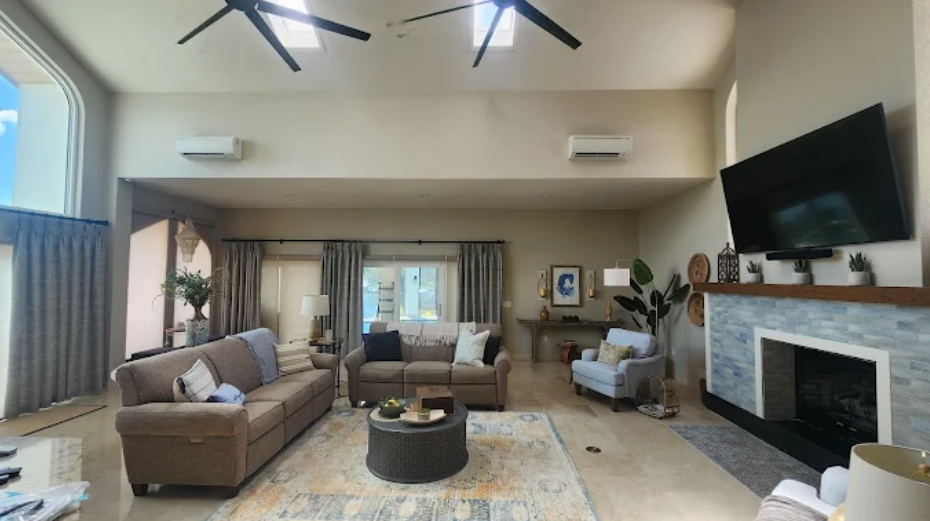
Every service visit starts with a conversation about the system’s recent performance. Homeowners often describe unusual sounds, temperature changes, water leaks, or recurring error codes. Those observations provide valuable clues before any tools come out. Technicians also ask when the problem started and whether it occurs consistently or only under certain conditions. Previous maintenance or repair history can also influence the diagnostic process. That information helps narrow possible causes before physical testing begins.
Examine Visible Components Carefully
The first inspection focuses on visible system conditions before electrical testing begins. Technicians inspect indoor and outdoor units for dirt buildup, damaged insulation, loose wiring, and physical wear. Refrigerant lines receive close attention because leaks often develop around fittings and connections. Drain lines and condensate pans are also checked for blockages or standing water. Air filters are inspected because restricted airflow affects overall system performance. Those visual findings often eliminate several possible causes before more advanced testing begins.
Confirm the Exact Cause
Visual observations provide useful information, but they rarely reveal the complete problem. Technicians continue with detailed testing to confirm what affects the system’s performance. Those measurements prevent unnecessary repairs and support more accurate recommendations. That diagnostic stage creates a reliable plan before any components are serviced.
Check Electrical Performance
Modern mini split systems rely on electronic controls that coordinate every cooling cycle. Technicians measure voltage, amperage, and resistance to confirm each component operates within manufacturer specifications. They inspect control boards, sensors, capacitors, relays, and communication wiring for faults. Loose terminals or damaged connections can interrupt normal operation without leaving visible damage. Error codes also provide important clues during troubleshooting. Those electrical tests provide a clearer picture before service work continues.
Evaluate Refrigerant and Airflow
Proper refrigerant pressure allows the system to absorb and release heat efficiently. Technicians connect professional gauges to compare operating pressures with manufacturer guidelines. They also measure air temperatures at the supply and return points to evaluate cooling performance. Airflow testing determines whether clogged filters, dirty coils, or blower issues reduce efficiency. If refrigerant appears low, technicians inspect for leaks before recharging the system. That careful process corrects the source of the problem instead of masking it.
Review Diagnostic Results Before Moving Forward
Every test result supports the final diagnosis before repairs begin. Technicians compare system readings with manufacturer specifications to verify their findings. They also confirm that one issue has not triggered additional performance problems. Explaining those results helps homeowners understand the recommended service. That review promotes informed decisions before replacement parts or repairs proceed.
Restore Proper System Operation
Accurate diagnosis leads to service that addresses the actual source of the problem. The required work varies because every system develops different issues over time. Experienced technicians follow manufacturer procedures throughout the repair process. That careful work helps restore dependable cooling while reducing repeat service calls.
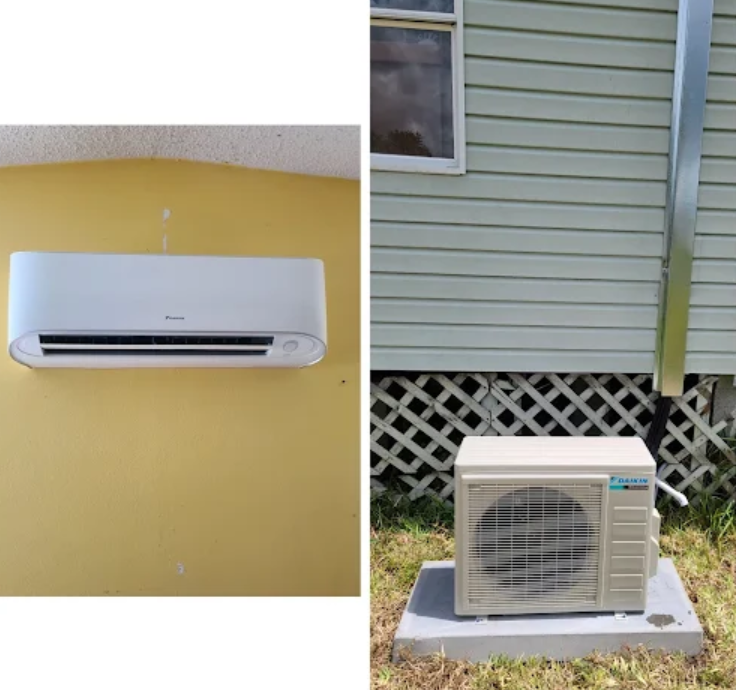
Alt-text: Side-by-side images of a newly installed mini-split AC unit indoors and its outdoor condenser.
Replace Worn or Damaged Parts
Some repairs involve cleaning or tightening existing components, while others require replacement. Worn fan motors, damaged sensors, failed circuit boards, and faulty thermostats commonly need new parts. Refrigerant leaks often require damaged tubing or fittings repaired before the system is recharged. Technicians also replace deteriorated insulation that protects refrigerant lines from heat gain. Every replacement component should meet manufacturer specifications for proper compatibility. That attention to detail supports long-term performance after service.
Remove Dirt and System Buildup
Many cooling problems improve after professional cleaning rather than major component replacement. Dirt on the evaporator coil limits heat transfer and reduces cooling capacity. Outdoor condenser coils also collect dust, leaves, and debris that restrict airflow. Technicians clean blower wheels, drain pans, and condensate lines to restore efficient operation. Removing accumulated buildup reduces strain on other system components. That cleaning process also supports healthier indoor air and better moisture control.
Verify Reliable Cooling Performance
Completing the service does not end the appointment. Technicians verify that every repaired component operates correctly before leaving the home. Performance testing confirms the original problem has been resolved under normal operating conditions. That final inspection provides confidence that the system is ready for everyday use.
Monitor Cooling Through a Full Cycle
Technicians restart the equipment and observe its performance through a complete cooling cycle. Indoor temperatures should gradually decrease while airflow remains steady throughout the room. Refrigerant pressures and electrical readings are inspected again to confirm stable operation. They also verify that the compressor and fan motors cycle normally without unusual sounds. Condensate should drain correctly without leaks or overflow. Those final checks confirm the system operates as intended.
Explain the Completed Service
Professional service includes helping homeowners understand what was done and why it mattered. Technicians explain the completed work using clear language instead of technical jargon. They also discuss any components that may require future attention. Maintenance recommendations help reduce unnecessary wear between service visits. Homeowners can ask questions before the appointment ends. That discussion supports better maintenance decisions and greater confidence in the system.
How to Prevent Future Mini Split AC Repairs
Most mini split problems begin gradually before noticeable performance changes appear. Routine maintenance often catches those issues before repairs become more complex and expensive. Consistent care also helps the system operate more efficiently throughout every season. That proactive approach protects your investment while extending the equipment’s service life.
Schedule Professional Maintenance Regularly
Routine inspections allow technicians to identify developing problems before they interrupt home comfort. Annual maintenance includes cleaning coils, checking refrigerant levels, inspecting electrical components, and testing system performance. Small adjustments made during service often prevent larger repairs later. Professional maintenance also helps maintain energy efficiency throughout the year. Manufacturers frequently recommend scheduled service to support warranty requirements. That preventive care reduces unexpected breakdowns and improves long-term reliability.
Watch for Early Signs of Trouble
Homeowners often notice performance changes before a complete system failure occurs. Reduced cooling, unusual odors, water leaks, rising utility bills, and unfamiliar noises deserve prompt attention. Ignoring those warning signs can turn minor issues into more expensive repairs. Scheduling service early often limits damage to other system components. Quick action also reduces the likelihood of losing cooling during extreme weather. That timely response helps keep repair costs more manageable over the system’s lifespan.
Watch for Early Signs of Trouble
Homeowners often notice performance changes before a complete system failure occurs. Reduced cooling, unusual odors, water leaks, rising utility bills, and unfamiliar noises deserve prompt attention. Ignoring those warning signs can turn minor issues into more expensive repairs. Scheduling service early often limits damage to other system components. Quick action also reduces the likelihood of losing cooling during extreme weather. That timely response helps keep repair costs more manageable over the system’s lifespan.
Restore Comfort With Mini Split AC Repair
Small performance issues rarely stay small for long. Prompt attention protects your system from unnecessary strain and helps avoid more expensive damage later. Professional mini split AC repair addresses the source of the problem, restoring reliable comfort and dependable efficiency. Contact a trusted HVAC specialist as soon as warning signs appear to keep your system operating at its best.
Stay one step ahead of unexpected HVAC problems with reliable information from industry professionals. Read the American Air Repair blog for valuable insights that help you protect your comfort and your investment.