
Improve Your Home With Professional Blow-In Insulation From American Air Repair
Insufficient insulation can make it harder to maintain comfortable temperatures throughout your home. American Air Repair LLC provides residential blow-in insulation in Lakeland, FL, and surrounding Central Florida communities to improve the thermal protection of qualifying spaces. Also known as blown-in or loose-fill insulation, this material is distributed using specialized equipment to add coverage across the designated area. It can fill accessible gaps and supplement insulation that has become thin, uneven, or insufficient. Our team evaluates the property, explains the proposed work, and provides a free estimate before installation begins.
What Is Blown-In Insulation?
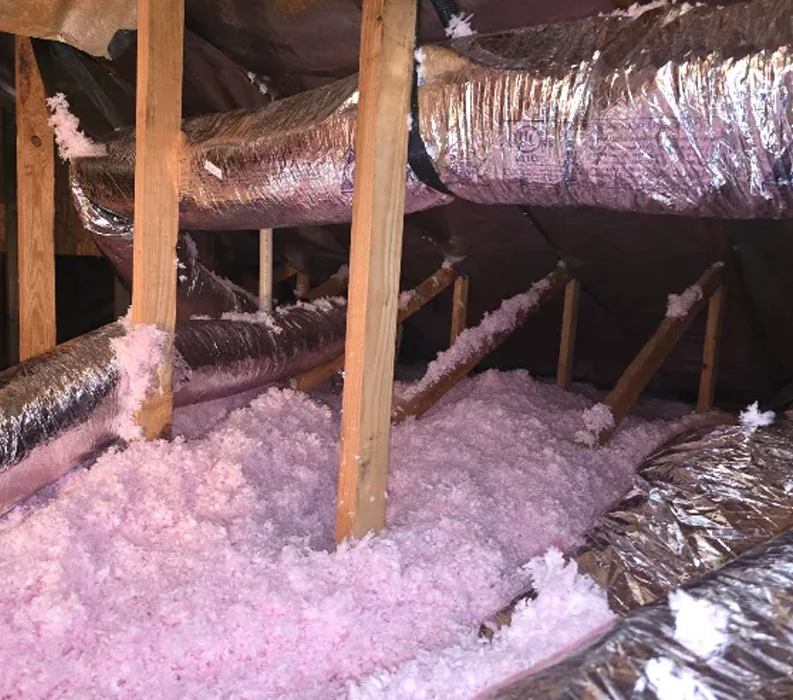
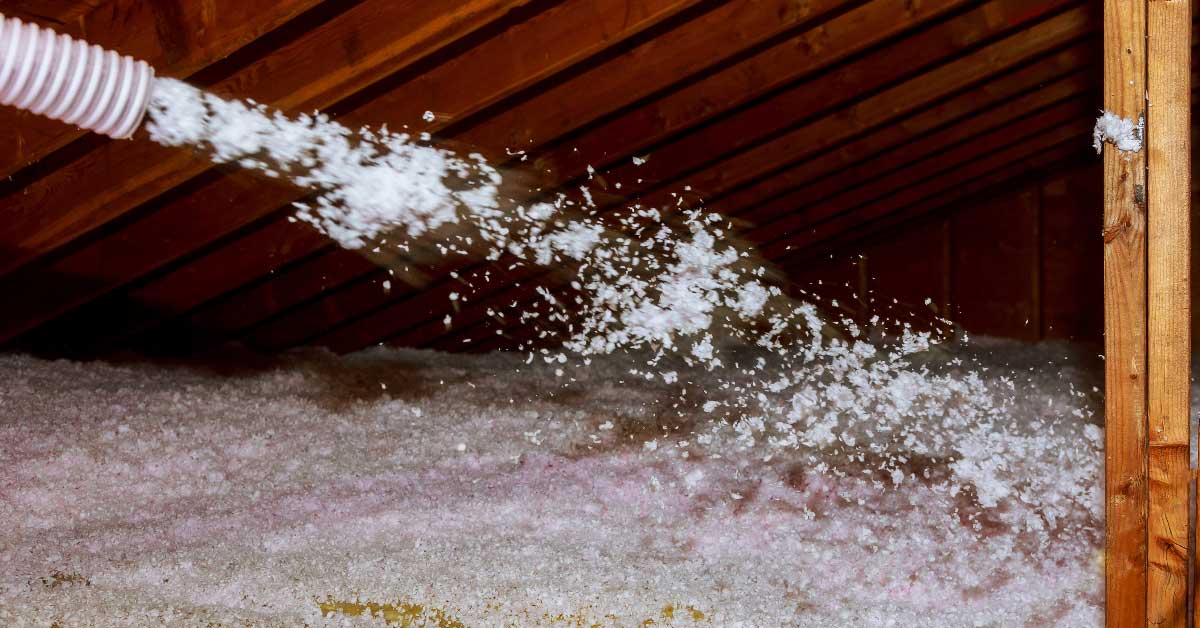
Blown-in insulation consists of loose insulating material applied through a hose using specialized equipment. Unlike rolls or batts, the material can be distributed around accessible framing and other features, making it useful for attics and certain hard-to-reach areas. The amount and type of insulation required depend on the existing conditions and goals of the project.
Adding insulation does not automatically correct every comfort or energy-use concern. Air leaks, damaged ductwork, aging HVAC equipment, moisture problems, and other conditions can also affect the home. An evaluation helps determine whether insufficient insulation may be contributing to the problem and whether blown-in material is appropriate.
Signs Your Home May Need More Insulation
Insulation can settle, shift, become damaged, or provide insufficient coverage for the needs of a home. Some problems are visible, while others become noticeable through changes in comfort or HVAC operation. A professional assessment can help determine whether the insulation level or condition is contributing to these concerns.
Uneven Temperatures Between Rooms
Temperature differences can occur when some parts of the home have less thermal protection than others. Insufficient insulation may allow heat to move through certain areas more easily. Ductwork, airflow, windows, and HVAC performance should also be considered before identifying the cause.
Increased Heating or Cooling Use
An HVAC system may operate longer when a home cannot retain conditioned air effectively. Increased energy use can also result from extreme weather, thermostat settings, equipment problems, or changes in household habits. Inspecting the insulation provides useful information when the cause is not immediately apparent.
Thin or Uneven Attic Coverage
Visible gaps, compressed material, or shallow sections may indicate that the existing insulation does not provide consistent coverage. Older material can also settle over time, reducing its effective depth in some areas. A technician can inspect accessible spaces and determine whether additional insulation is appropriate.
Rooms Become Uncomfortable Quickly
Some homes heat up rapidly after the air conditioner turns off, or struggle to maintain the thermostat setting during hot weather. Insufficient thermal protection may allow outdoor heat to enter the living space. The HVAC system and other parts of the home should be evaluated as well.
The HVAC System Runs for Long Periods
Central Florida air conditioners naturally operate frequently during hot and humid weather. However, extended operation combined with uneven temperatures or poor comfort may point to insulation, airflow, ductwork, or equipment concerns. Identifying the contributing factors is important before recommending a solution.
Existing Insulation Is Damaged
Moisture, pests, construction work, and physical disturbance can affect existing insulation. Damaged material may not provide the coverage originally intended and should be evaluated before additional insulation is installed. Active leaks or pest problems must be addressed separately rather than covered with new material.
How Added Insulation Supports Home Comfort
Insulation helps slow heat transfer between conditioned living areas and surrounding spaces. During hot weather, attic insulation can reduce the movement of outdoor heat toward the interior of the home. This can support more stable indoor temperatures when the HVAC equipment, ductwork, and other building components are functioning properly.
Blown-in insulation can provide more uniform coverage across irregular areas than some pre-cut materials. The loose material settles around accessible framing and small spaces that may otherwise be difficult to cover. Results depend on the material, installed amount, home construction, and condition of the existing insulation.
Benefits of Adding Blow-In Insulation
More Consistent Indoor Comfort
Additional insulation may help reduce temperature changes caused by heat moving through the attic or other treated spaces. More uniform coverage can support steadier conditions throughout the home. Actual comfort improvements depend on the entire HVAC system and building envelope.
Reduced Demands on HVAC Equipment
An air conditioner may need to operate longer when outdoor heat moves easily into the home. Improving thermal protection can help the property retain conditioned air more effectively. However, insulation will not correct mechanical problems, restricted airflow, or damaged ductwork.
Coverage Around Irregular Areas
Loose-fill material can be distributed around accessible framing and other structural features. This makes it useful for supplementing areas where existing insulation is thin or uneven. The installation space must still be evaluated to determine whether it is suitable for the material.
Support for Household Energy Efficiency
Adequate insulation can be one part of an energy-conscious home. Its effect on utility use depends on weather, energy rates, thermostat settings, equipment efficiency, ductwork, and household habits. Homeowners should be cautious of specific savings promises made without a complete evaluation of the property.
Added Protection for an Older Home
Some older homes have insulation levels that no longer provide sufficient coverage or meet the homeowner’s comfort expectations. Adding material may improve thermal protection without requiring the entire space to be rebuilt. Existing moisture, ventilation, electrical, or structural concerns must be addressed appropriately before installation proceeds.
What to Expect During Installation
The process begins with an evaluation of the installation area, existing insulation, and accessible conditions to determine whether blow-in insulation is appropriate for the space. After explaining the proposed work and providing a free estimate, our team prepares the area, identifies features that should remain unobstructed, and uses specialized equipment to distribute the insulation to the planned coverage level. Once installation is complete, the accessible area is reviewed for consistent coverage, and homeowners can ask questions about the work or any related concerns observed during the project.
Factors That Influence Insulation Cost
The cost of adding blow-in insulation depends on the size and accessibility of the space, the condition of existing material, and the amount needed to achieve the planned coverage. Homes with irregular layouts or difficult access may require additional preparation and labor. The selected material can also affect the final estimate.
Other cost factors may include:
- Square footage of the installation area
- Existing insulation depth and condition
- Amount of material required
- Accessibility of the attic or treated space
- Preparation needed before installation
- Removal needs, when applicable
- Obstructions or unusual property conditions
- Material and labor requirements
An on-site evaluation provides more useful information than a generic price range. American Air Repair LLC offers free estimates so homeowners can review the recommended work and expected cost before deciding how to proceed. Financing options are also available for qualifying customers.
The Connection Between Insulation and HVAC Performance
Insulation and HVAC equipment serve different but connected purposes. The heating and cooling system conditions indoor air, while insulation helps slow unwanted heat transfer through treated portions of the home. If either part is not performing properly, household comfort may suffer.
Adding insulation will not repair a malfunctioning air conditioner, leaking ductwork, or airflow restriction. Likewise, installing new HVAC equipment may not fully resolve comfort concerns caused by insufficient thermal protection. American Air Repair LLC provides insulation and residential HVAC services, allowing our team to consider several possible sources of a comfort problem.
Comprehensive Services for Your Home
In addition to blow-in insulation, American Air Repair LLC provides AC repair and replacement, ductwork repair and replacement, indoor air quality services, and mini-split repair and replacement. A technician can evaluate the specific problem and recommend work based on the conditions found in your home. This individualized approach helps address related comfort concerns without assuming that every property needs the same services.
Add Thermal Protection to Your Home in Lakeland, FL
Thin, uneven, or damaged insulation can make it harder for your home to maintain comfortable temperatures during Central Florida’s demanding cooling season. American Air Repair LLC can evaluate existing conditions, explain whether adding insulation is appropriate, and provide a clear estimate for the proposed work. Our knowledge of residential air conditioning, ductwork, and insulation allows us to consider more than one possible source of a comfort concern. With honest pricing, financing options, free estimates, and local service dating back to 2013, homeowners receive the information they need before moving forward. Contact American Air Repair LLC today to request a free estimate for blow-in insulation.