
AC Unit Replacement: A Guide for Homeowners
A dependable air conditioner keeps your home comfortable through changing weather and supports healthier indoor living. Most homeowners hope their system will last as long as possible, so replacing it rarely feels like an easy decision. Still, every cooling system reaches a point where repairs become less practical than investing in newer equipment. Knowing what to expect before replacing your air conditioner helps you plan instead of making rushed choices. A little preparation today can lead to lower energy costs, better comfort, and fewer unexpected problems in the years ahead.
Knowing When a New AC Makes Sense
Air conditioners usually give several warning signs before they stop working completely. Paying attention to those changes helps you decide whether another repair still makes financial sense. Understanding the difference between a temporary issue and a worn-out system makes the replacement process much easier.
Signs Your Cooling System is Nearing Retirement
Most air conditioners can provide reliable cooling for many years when they receive regular maintenance. Even so, normal wear eventually affects how well they perform. You may notice certain rooms staying warmer than others or longer cooling cycles that never seem to reach the thermostat setting. Strange noises, unpleasant odors, or frequent cycling may also point to aging components. Rising utility bills without changes in household energy use often suggest the system is working much harder than before. When several of these issues appear together, replacing the unit often becomes a better long-term investment than continuing repairs.
Repair or Replace? Making the Smarter Choice
Not every air conditioning problem calls for a complete replacement. Minor electrical issues or worn parts can often be repaired without spending a significant amount of money. The decision becomes more difficult when expensive components begin failing one after another. Compressor damage, refrigerant leaks, or evaporator coil problems can quickly increase repair costs, especially on older equipment. If repair bills continue adding up each year, replacing the entire system may save more money over time. Looking at the unit’s age, repair history, and overall performance gives homeowners a clearer picture before making a final decision.
Choosing the Best AC Replacement System
Buying a new air conditioner involves much more than selecting a familiar brand or a larger unit. Every home has different cooling needs based on its size, layout, insulation, and daily living patterns. Choosing equipment that matches those conditions helps improve comfort while reducing unnecessary energy use.
Why Proper Sizing Makes a Difference
Many homeowners believe a larger air conditioner will cool the house faster and perform better. In reality, oversized systems often shut off before removing enough indoor humidity. That leaves the home feeling cool but still damp and uncomfortable. Undersized systems create a different problem because they run almost constantly while struggling to reach the desired temperature. Both situations increase wear on important components and raise monthly utility costs. Professional load calculations help determine the correct system size based on your home’s actual cooling requirements rather than simple square footage estimates.
Looking Beyond the SEER Rating
Energy efficiency matters, but it should not become the only factor when comparing replacement options. A high-efficiency unit performs best when it matches your home’s design and receives proper installation. Features such as variable-speed compressors and multi-stage operation provide more consistent temperatures throughout the day. Smart thermostats can further improve efficiency by adjusting cooling schedules around your family’s routine. Better air filtration and humidity control also contribute to a healthier and more comfortable indoor environment. Comparing overall value instead of focusing only on the purchase price often leads to a smarter investment that continues paying off for many years.
Features That Add Long-Term Value
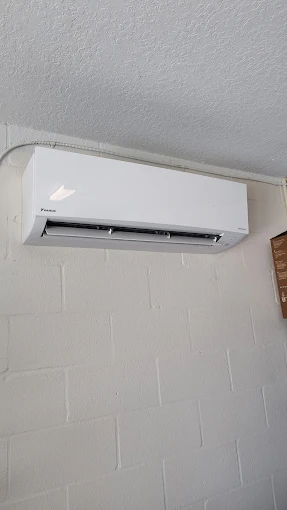
Modern air conditioners offer more than improved cooling performance. Many systems include quieter operation, better humidity control, and more precise temperature management. Smart thermostat compatibility also gives homeowners greater control over energy use throughout the day. Some models include enhanced filtration that helps improve indoor air quality. Choosing features that match your household’s needs often provides greater value than simply selecting the highest efficiency rating. A balanced approach helps homeowners enjoy comfort, convenience, and lower operating costs for many years.
Preparing for a Smooth AC Replacement Installation
AC unit replacement becomes much less stressful when you understand what happens before and during installation. Good preparation helps avoid delays while giving technicians everything they need to complete the work properly. Knowing what to expect also helps homeowners feel more confident throughout the process.
What Happens During Installation
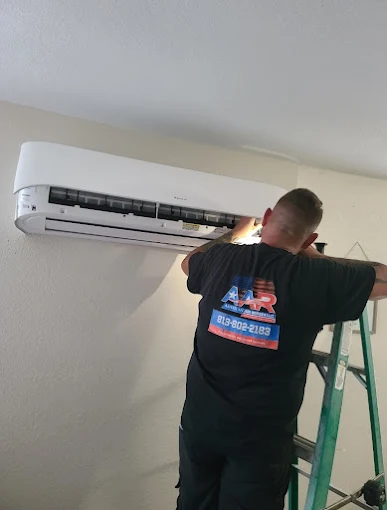
Installation begins by safely disconnecting and removing the old equipment. Before installing the new system, technicians inspect the refrigerant lines, electrical connections, drain line, and other important components. Some existing parts may still meet current standards, while others require replacement for safety or compatibility. After connecting the indoor and outdoor units, the contractor tests airflow, refrigerant levels, thermostat communication, and overall system performance. Small adjustments are often made before the installation is complete because proper calibration affects comfort and efficiency. Once everything operates correctly, the technician explains how to use the new system and answers any remaining questions.
Why Existing Ductwork Deserves Attention
Many homeowners focus only on replacing the air conditioner and overlook the ductwork hidden behind walls and ceilings. Leaky or poorly insulated ducts allow cooled air to escape before it reaches the rooms that need it most. That wasted airflow forces the new system to work harder than necessary. During an AC replacement project, contractors often inspect the duct system for leaks, damage, or poor connections. In many homes, simple sealing or insulation improvements can noticeably improve comfort without replacing the entire duct system. Addressing those issues at the same time helps the new equipment perform closer to its full potential.
Refrigerant Changes Can Affect Replacement Decisions
The type of refrigerant your current air conditioner uses can influence both repair options and replacement costs. Many older systems rely on refrigerants that have become more expensive and less widely available because of changing industry standards. As those supplies continue to decline, repairing an aging unit often becomes less practical than replacing it with newer equipment. Modern air conditioners use refrigerants that improve efficiency while meeting current environmental requirements. Because different refrigerants require compatible components, simply replacing one part of the system may not always be possible. An experienced HVAC contractor can identify your system’s refrigerant and explain how it affects your replacement choices before work begins.
Understanding AC Replacement Costs
The cost of replacing an air conditioner depends on several factors, not a single price. Looking beyond the equipment itself helps homeowners understand why estimates sometimes differ between projects. Knowing what influences the total investment also makes it easier to compare proposals with confidence.
What Influences the Total Project Cost
The size of your home directly affects the equipment needed to cool it efficiently. Higher-efficiency systems usually cost more upfront, but they often reduce monthly energy expenses over time. Labor costs also vary depending on the complexity of the installation and the condition of the existing system. Homes requiring electrical upgrades or refrigerant line replacement may involve additional work beyond installing the new unit. Local building requirements and permit fees can also affect the overall project cost. Reviewing every item in a written estimate helps homeowners understand exactly what they are paying for before work begins.
When Additional Upgrades Make Sense
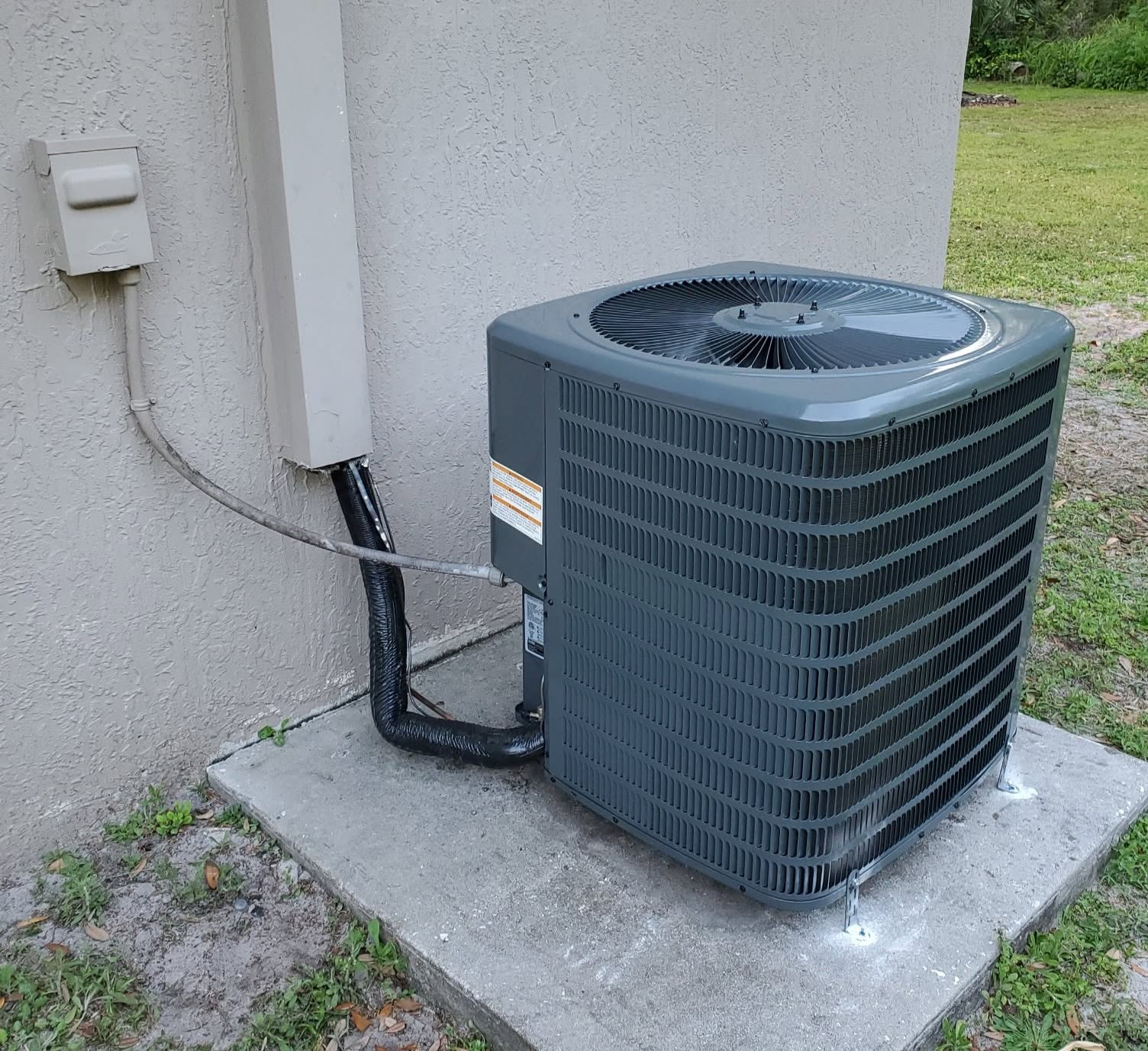
Replacing an aging air conditioner sometimes reveals other parts of the HVAC system that also need attention. Worn thermostats, damaged electrical components, or aging refrigerant lines may limit the performance of the new equipment. Some homes also benefit from upgraded insulation or improved attic ventilation because both reduce cooling demands. If indoor air quality has been an ongoing concern, adding a better filtration system during replacement can be a practical investment. Contractors may also recommend replacing outdated duct sections that restrict airflow or leak conditioned air. Completing those improvements during the same project often saves time and labor compared with scheduling separate visits later.
How to Protect Your New Cooling System
A new air conditioner represents a long-term investment that deserves proper care from the beginning. Simple maintenance habits help reduce unnecessary wear while keeping the system operating efficiently. Those small efforts can extend equipment life and reduce the likelihood of expensive repairs.
Routine Maintenance Keeps Performance Steady
Replacing the air filter regularly remains one of the simplest ways to support proper airflow. A clogged filter forces the system to work harder while reducing cooling efficiency. Keeping the outdoor condenser free of leaves, grass, and debris also helps maintain steady performance. Annual professional maintenance allows technicians to inspect electrical connections, refrigerant levels, moving parts, and safety controls before small concerns become larger repairs. Many manufacturers also require routine maintenance to keep warranty coverage intact. A consistent service schedule helps protect both the equipment and your investment.
Everyday Habits That Reduce Cooling Costs
Good cooling habits work alongside your new air conditioner instead of placing unnecessary demands on it. Programmable or smart thermostats help reduce energy use by adjusting temperatures when nobody is home. Ceiling fans improve air circulation, allowing you to remain comfortable without lowering the thermostat as much. Closing blinds or curtains during the hottest part of the day also helps reduce indoor heat gain. Sealing air leaks around windows and doors prevents conditioned air from escaping outdoors. Together, these simple habits help lower utility costs while maintaining consistent comfort throughout the home.
What to Expect During the First Weeks
A new air conditioner may operate differently than your previous system. Cooling cycles may become longer and quieter because modern equipment is designed for steady, efficient operation. Indoor humidity should gradually improve as the system maintains more consistent temperatures. Your contractor may recommend a follow-up visit to confirm refrigerant levels and overall performance after installation. Registering the manufacturer’s warranty and keeping maintenance records also protects your investment. Understanding these early changes helps homeowners recognize normal operation and identify concerns before they become larger problems.
Choosing the Right HVAC Contractor
The contractor you choose has a lasting impact on how well your new air conditioner performs. A qualified HVAC professional will inspect your home’s cooling needs, perform proper load calculations, explain equipment options clearly, and provide a detailed written estimate before any work begins. They should also carry the appropriate licensing, insurance, and industry certifications, and stand behind their work with reliable warranty support. Taking time to compare experienced contractors instead of choosing the lowest price helps you receive quality installation, dependable performance, and better long-term value from your new cooling system.
Replace Your AC Before Small Problems Grow
Waiting until your air conditioner fails often limits your choices and adds unnecessary stress during hot weather. Planning your replacement before a major breakdown gives you more time to compare equipment, review estimates, and choose the right contractor for your home. A carefully selected and professionally installed cooling system delivers dependable comfort, lower operating costs, and greater peace of mind for years to come. Taking action before repairs become overwhelming allows you to invest wisely and enjoy a home that stays comfortable through every season.
Visit the American Air Repair blog for straightforward advice, expert HVAC knowledge, and helpful guidance for every stage of home cooling.